AI is no longer just a buzzword—it’s shaping how students learn, study, and even think. In 2026, education has become more personalized, efficient, and tech-driven than ever before.
If you’re a student trying to keep up, understanding these trends isn’t optional anymore… it’s essential.
At bizmetech.site, we track the latest innovations to help students stay ahead. So let’s break down the top AI trends in education that are changing everything right now.
1. Personalized Learning with AI
One of the biggest shifts in education is personalized learning.
AI tools can now:
- Analyze your strengths and weaknesses
- Adjust content difficulty in real-time
- Suggest custom study plans
Instead of a one-size-fits-all classroom, students now get a learning experience tailored just for them.
For example, if you struggle with math, AI will give you extra practice. If you’re good at writing, it will push you further.
It’s like having a personal tutor—but way cheaper (and available 24/7).
2. AI-Powered Study Assistants
Students are increasingly relying on AI assistants to:
- Summarize notes
- Answer questions
- Explain complex topics
Tools like ChatGPT and Google Gemini are becoming everyday study partners.
Why this matters:
- Faster understanding of topics
- Instant help anytime
- Better productivity
But remember—AI should support your learning, not replace it.
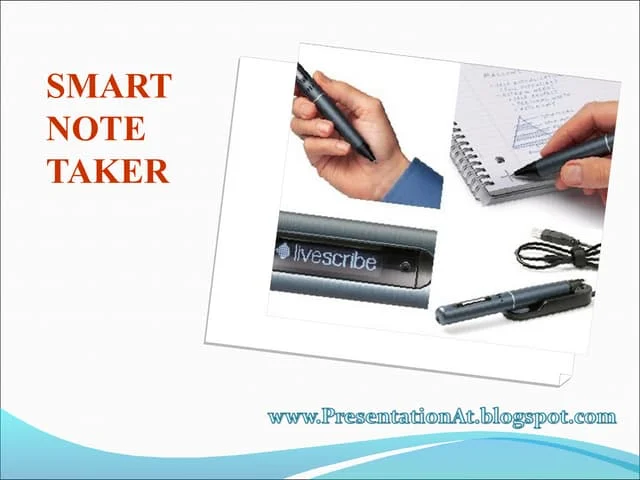
3. Smart Note-Taking & Organization
Gone are the days of messy notebooks.
AI tools now:
- Automatically organize your notes
- Highlight key points
- Convert lectures into summaries
Apps like Notion AI and Evernote are leading this trend.
This means less time organizing… and more time actually studying.
4. AI in Homework & Assignments
AI is transforming how students complete assignments.
You can now:
- Generate ideas instantly
- Get writing suggestions
- Fix grammar and structure
Tools like Grammarly and QuillBot are widely used.
But here’s the catch…
If you rely too much, your learning can suffer. Use AI as a helper, not a shortcut.
5. Voice & Conversational Learning
Typing is slowly being replaced by voice-based learning.
Students can:
- Ask questions out loud
- Get spoken explanations
- Learn hands-free
AI voice assistants make studying feel more natural—almost like talking to a teacher.
This trend is especially useful for:
- Language learning
- Revision sessions
- Multitasking students
6. AI-Generated Flashcards & Memory Tools
Memorization just got smarter.
AI tools now:
- Automatically create flashcards
- Use spaced repetition
- Track what you forget
This helps improve long-term memory without wasting time.
Instead of manually creating notes, AI does the heavy lifting.
7. Real-Time Translation & Global Learning
AI is breaking language barriers.
Students can now:
- Translate lectures instantly
- Read foreign research papers
- Study from global resources
This opens up learning opportunities like never before.
Imagine attending a lecture in another language… and still understanding everything.
8. AI in Exam Preparation
Exams are getting easier to prepare for (not necessarily easier to pass 😅).
AI tools now:
- Predict important topics
- Generate practice questions
- Simulate test environments
This allows students to study smarter, not harder.
9. Automated Research Assistance
Research used to take hours—now it takes minutes.
AI can:
- Find relevant sources
- Summarize research papers
- Generate citations
Students working on essays or theses benefit a lot from this.
Just make sure to double-check sources—AI isn’t perfect.
10. Ethical AI Use in Education
With great power comes… academic responsibility.
Schools are now focusing on:
- Detecting AI-generated content
- Teaching ethical AI use
- Encouraging originality
Students need to understand when and how to use AI properly.
Because let’s be honest—copy-pasting AI content won’t help you learn.
Comparison Table: Key AI Trends in Education (2026)
| Trend | Main Benefit | Best For | Impact Level |
|---|---|---|---|
| Personalized Learning | Tailored study plans | All students | ⭐⭐⭐⭐⭐ |
| AI Study Assistants | Instant help | Daily learning | ⭐⭐⭐⭐⭐ |
| Smart Note-Taking | Organized notes | Productivity | ⭐⭐⭐⭐ |
| Homework Assistance | Faster assignments | Writing tasks | ⭐⭐⭐⭐ |
| Voice Learning | Hands-free study | Language learners | ⭐⭐⭐ |
| Flashcards & Memory Tools | Better retention | Exams | ⭐⭐⭐⭐⭐ |
| Translation Tools | Global access | Research | ⭐⭐⭐⭐ |
| Exam Preparation AI | Smart practice | Test prep | ⭐⭐⭐⭐⭐ |
| Research Assistance | Faster research | Essays/thesis | ⭐⭐⭐⭐⭐ |
| Ethical AI Awareness | Responsible usage | All students | ⭐⭐⭐⭐⭐ |
Step-by-Step: How Students Can Use AI Effectively
If you’re new to AI tools, here’s a simple plan:
Step 1: Choose the Right Tool
Start with one or two tools like ChatGPT or Notion AI.
Step 2: Use It for Assistance
Ask questions, summarize notes, or get explanations.
Step 3: Stay Involved
Don’t just copy—understand the content.
Step 4: Combine with Traditional Study
Use textbooks, lectures, and practice alongside AI.
Step 5: Review Everything
Always double-check AI outputs for accuracy.
Step 6: Build Smart Habits
Use AI daily, but wisely.
This approach ensures your actually learning—not just finishing tasks.
Why These Trends Matter for Students
AI is not replacing education—it’s enhancing it.
Students who adapt will:
- Learn faster
- Stay organized
- Perform better academically
Those who ignore these trends might struggle to keep up.
At bizmetech.site, we believe that understanding AI is just as important as traditional subjects in 2026.
Final Thoughts
The future of education is already here—and it’s powered by AI.
From personalized learning to smart study tools, students now have access to resources that were unimaginable just a few years ago.
The key is balance.
Use AI to:
- Save time
- Improve understanding
- Boost productivity
But don’t let it replace your thinking.
Because at the end of the day, your brain—not AI—is what really matters.